Dragon Raja: Anime MMORPG
- 3.7
- Rating
- 5.00M
- Installs
- Free
- Price

 Analysis by App-foxy
I installed Dragon Raja: Anime MMORPG expecting a large role-playing game with a strong visual identity, and what stayed with me was how easily it can become a shared topic at home. One person may be interested in character progression, another in the anime-inspired world, and someone else may simply enjoy watching the action. That makes it more than a private time-killer, although it is still best treated as an individual game account rather than a household profile.
Developed by Archosaur Games, this free mobile game places itself in the demanding MMORPG corner of role-playing games. It has been available since February 27, 2020, and its audience has grown beyond five million installs. The store rating sits at about 3.7 from roughly 157 thousand ratings, which feels consistent with my experience: the game is ambitious and visually memorable, but its size, pace, monetization and online structure will not suit everyone.
How Dragon Raja fits into everyday shared-device use
I find Dragon Raja works best on a shared phone or tablet when the device is shared but each player’s account remains personal. A quick handover routine—confirm who is signed in, finish the current activity, and leave the next player a clear stopping point—can prevent accidental changes to someone else’s character. That practical boundary matters even more when play moves from watching together to coordinating a session.
You May Also Like

 Blood Strike: 2.5 Anniversary
Blood Strike’s Loadouts Turn Every Drop Into a Tactical Gamble
A close look at Blood Strike’s custom loadouts: how fast access to signature weapons reshapes its battle royale rhythm, rewards preparation, and narrows the gap between fights.

 Pandora - Music & Podcasts
Pandora’s Music Is Easy to Start, but Harder to Recover
Pandora’s strength is its low-effort path from a seed to a station. Its weak spot is how much confidence it asks you to place in connection, setup, and quiet recovery.

 8 Ball Pool
 Is Built on Rivalries, Rematches, and Routine
A close look at the rivalries, rematches, shared routines, and unanswered safety questions that turn a quick pool match into a persistent mobile community.

 Samsung Music
’s Quiet Strength Is Playing What You Already Own
Its reach comes less from spectacle than from dependable access to a personal library. That simplicity is both the app’s strongest retention engine and its ceiling.

 AccuWeather: Weather Radar
AccuWeather Review: A Quick, Clear Forecast for Everyday Decisions
For everyday plans, the best forecast is the one you can understand quickly. AccuWeather makes rain timing, radar, and local conditions easy to act on, with a few trade-offs.

 Hill Climb Racing
Why Hill Climb Racing Still Turns Crashes Into One More Run
A tiny car, a bumpy hill and one more upgrade: Hill Climb Racing keeps resurfacing because its simple chaos makes every near-miss feel personal.
More From Our News Desk
View All News


A game that can attract more than one person in the room
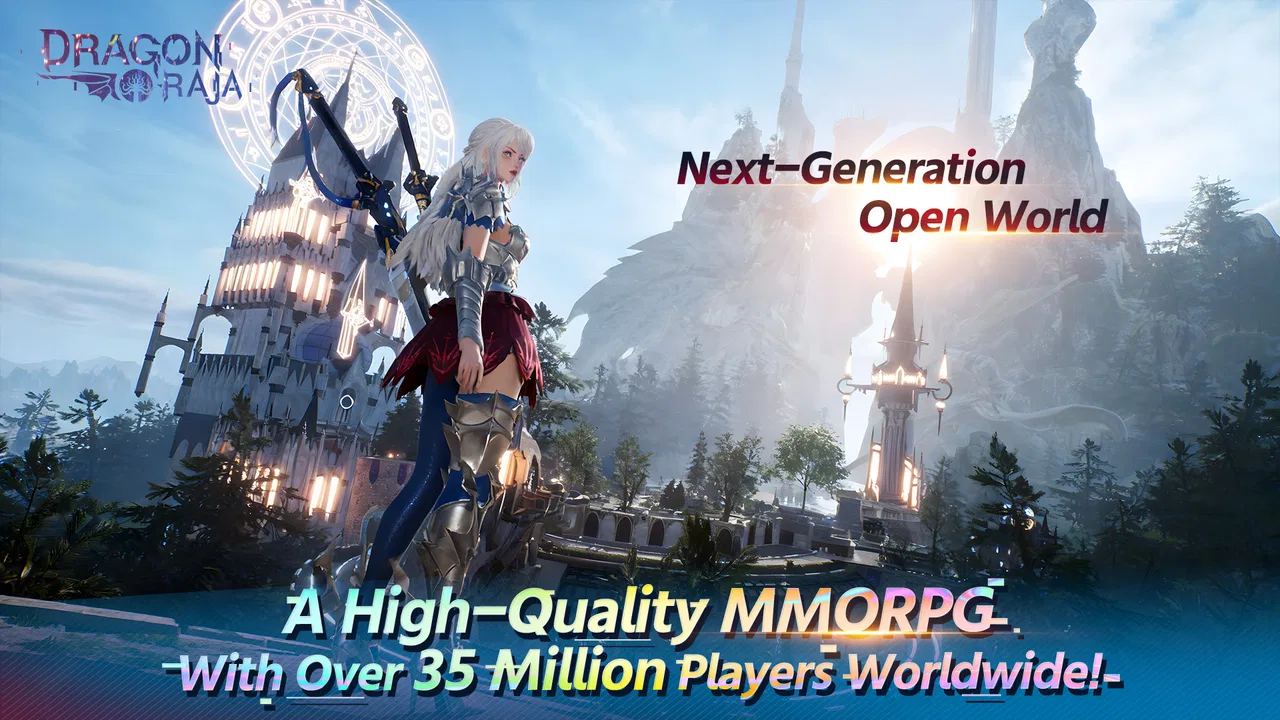
My favorite way to think about Dragon Raja is as a game that can occupy a player while also creating conversation around them. The anime presentation is immediately noticeable, and the open-world format gives the experience a sense of scale that is easy for another person to understand even if they do not play. In a household, that can work well when one person plays and another occasionally watches, comments on character choices or helps decide what to do next.
That shared interest should not be confused with shared progress. An MMORPG is usually built around a personal character and a personal account identity, so I would not hand the same account back and forth between family members. Even when everyone is using the same phone or tablet, separate play sessions are easier to manage when each person knows whose character is on screen. It also prevents the common household problem of someone changing equipment, spending currency or advancing a quest without realizing that another player had a different plan.
A realistic example would be a teenager playing after school while a parent uses the same device later in the evening. The practical routine is simple: finish the current activity, return to a recognizable place in the game, close the session, and avoid leaving the account open for the next person. That small boundary matters more here than it would in a quick puzzle game because role-playing progress can involve decisions that are difficult to undo.
What I would settle before installing it
Because the game is free to download, the first decision is not the purchase itself but whether the device and the household routine can handle a substantial online role-playing experience. I would discuss when it can be played, whether the player is allowed to use online communication, and who is responsible for any optional purchase. The game carries a Teen content rating, so it is not something I would casually place on a younger child’s shared device without an adult first considering whether the setting is appropriate.
The age label is useful context, but it is not a complete household rule. A mature teenager who understands online etiquette and spending boundaries may be a better fit than an older player who dislikes persistent online worlds. I would focus on the player’s habits: can they stop when asked, recognize that other players are real people, and avoid treating every limited-time opportunity as something that must be bought immediately?
Dragon Raja runs on Android with a minimum operating system requirement of Android 8.0. That is not especially restrictive by itself, but the game’s presentation makes the device choice important. On a shared phone, I would leave enough storage and battery headroom for normal use rather than installing it on a device already struggling with everyday apps. I would also expect the first session to be better when the player is not rushing, since a large role-playing game is easier to understand when the account and character choices are made deliberately.
Account boundaries are more important than family convenience
I would keep each player’s login details private and avoid using a general household account. This is not because the game is difficult to share physically; it is because a character in an MMORPG represents a long-running personal project. One player may care about appearance, another about combat progress, and another about social activity. Mixing those priorities can make the game feel broken even when nothing technical has gone wrong.
On a shared device, I would use a simple handover habit: the outgoing player confirms that the session is finished, the incoming player checks which account is active, and nobody assumes that the visible character belongs to them. This is a small workflow, but it is one of the most useful practical tips for Dragon Raja. It protects progress and reduces arguments without requiring the game to become a family activity.
I would also keep payment responsibility separate from play responsibility. The game is free, but its in-app purchases range from $0.49 to $129.99 per item. That is a wide enough range for a household to agree on rules before anyone starts exploring the shop. A child or teenager should not be expected to understand the consequences of a high-priced item simply because the game presents purchases inside an entertaining world. The adult who owns the payment method should make the boundary clear in advance.
Coordination is part of the experience, not just an extra
Dragon Raja is more interesting when approached as a social role-playing game rather than a solitary adventure with online decoration. The MMORPG structure means that coordination can influence how enjoyable a session feels. If several friends or family members play, I would agree on a loose schedule and a shared goal instead of expecting everyone to be available whenever someone else is online.
That distinction is important in a household. A player who wants a quiet solo session should not be pressured into joining every activity, while a group session becomes frustrating if one person repeatedly disappears without warning. A useful arrangement is to separate “my progress” time from “our session” time. The first is flexible and personal; the second begins only when everyone has agreed to it.
I also found that communication style matters more than having the strongest character. Newer players can feel lost when experienced players rush ahead, make unexplained decisions or treat mistakes as obvious. If a household is learning together, the more experienced person should explain the purpose of a task and allow the newer player to make some choices. That turns the game into cooperation instead of one person acting as a controller while everyone else watches.
For friends who do not live together, the same principle applies. Dragon Raja can be a reason to meet online, but it is not a good choice for a group that wants perfectly predictable, short sessions. MMORPGs ask for more patience than a quick competitive match, and the anime presentation can make the game feel approachable while the underlying progression still demands attention. I would choose it for players who enjoy returning to the same world, not for people who want a complete experience in ten minutes.
Why the anime world helps, and where it can distract
The anime-inspired style is one of the clearest reasons to try this game. It gives the world a recognizable mood and makes character presentation a central part of the experience. I enjoyed that sense of identity because it separates Dragon Raja from more generic fantasy role-playing games. The open-world format also makes the game feel broader than a sequence of isolated battles.
At the same time, visual appeal can hide how much attention the game asks from the player. There is a difference between admiring a large world and understanding what matters inside it. A new player may spend time following the most visible activity while missing the personal reason they installed the game in the first place. My advice is to decide on a simple priority for each session: continue the story, improve the character, explore, or meet other players. That keeps the open structure from becoming aimless.
Compared with a conventional offline role-playing game, Dragon Raja is less convenient when the player wants a fully controlled, interruption-free experience. An offline title usually makes it easier to pause, play privately and keep the entire pace in your hands. Compared with a small online role-playing game, this one feels more like a long-term hobby and less like a casual app. The trade-off is clear: more atmosphere and social possibility, but also more commitment.
Age, trust and online judgment
The Teen rating should shape the conversation around the game, especially on a shared family device. I would not rely on the rating alone to decide whether someone is ready. The more useful questions are whether they can identify uncomfortable interactions, avoid sharing personal information, and leave a conversation that feels inappropriate. Those skills matter because an MMORPG connects players to a wider community rather than limiting contact to people already known at home.
Trust works both ways. Younger players need clear guidance, but constant supervision can make a game feel less like their own hobby. I prefer an agreement that covers play hours, spending, communication and what to do when something feels wrong. That gives the player a practical response instead of a vague instruction to “be careful.” It also gives adults a reason to check in without turning every session into an inspection.
For adults sharing a device with teenagers, I would keep the game’s identity separate from the device owner’s everyday accounts. Do not assume that a familiar phone automatically makes an online game private. The player should know which account they are using, and the household should know who can authorize purchases. These are ordinary boundaries, but they become especially valuable when a game combines character progression, social interaction and optional spending.
I would also be cautious about treating the game as a learning tool for younger children. It can encourage planning, patience and cooperation, but those benefits depend on how it is played. If the main routine becomes chasing every reward or arguing over purchases, the educational value disappears. Dragon Raja is entertainment first, and it works best when the household keeps that expectation honest.
Progression and spending: the trade-off I noticed
The free entry point is a genuine advantage. Someone can decide whether the world, visual style and online format are appealing before paying anything. That makes it easier to recommend to a friend who is curious about anime-style MMORPGs but does not yet know whether the genre will hold their attention.
The spending range means I would not describe the game as financially neutral. Optional purchases can be small, but the upper end is substantial enough to require an explicit household rule. I would never let a child explore the shop with access to an adult payment method, and I would encourage any player to wait before buying something that feels urgent. If the enjoyment disappears when purchases are removed, that is useful information about whether the game is the right fit.
My practical approach would be to play long enough to understand the normal rhythm before spending. Learn what the character actually needs, notice which activities are enjoyable without purchases, and avoid buying simply because another player appears ahead. In a social game, comparison creates pressure quickly. The healthiest goal is not to match someone else’s progress but to decide whether the experience remains fun at your own pace.
What the current version means for a new player
The current version is 1.0.440, so a new player should install the latest available build rather than judging the experience from an old device backup. Version details matter in a live online game because the experience can depend on using a compatible release. I would update before beginning a serious character, especially on a shared device that may have been unused for a while.
I would also avoid making the first session a group commitment. Let the new player learn the interface, understand the tone of the world and decide whether the amount of information feels comfortable. After that, coordination becomes much easier because they can explain what they enjoy instead of simply following someone else. This is one of the less obvious advantages of giving each player a private account and a little independent time.
Another useful habit is to keep expectations modest during the opening sessions. A huge MMORPG can look as if it should provide endless freedom immediately, but the player still needs time to learn its structure. If the first impression feels busy, that does not necessarily mean the game is poor; it may mean the player needs a narrower personal objective. If the busyness remains unpleasant after several sessions, I would move on rather than forcing the game to fit.
Who should choose it, and who should skip it
I would recommend Dragon Raja to someone who likes anime-inspired presentation, persistent character development and the idea of sharing an online world with other players. It is especially suitable for a teenager or adult who can manage a longer-term hobby, communicate respectfully and accept that progress is not always designed around short, perfectly contained sessions.
I would be more cautious with a player who wants a private story, reliable pausing or a simple control scheme. An offline role-playing game is likely a better choice for someone who dislikes online interaction or wants to play on their own terms every time. A compact single-player game is also better for a shared family device if several people need quick, clearly separated turns.
I would skip it for a household that cannot agree on spending boundaries or account ownership. The game’s free price makes installation easy, but it does not remove the need for responsibility. I would also skip it for a very young child simply because the Teen rating and online setting call for more judgment than a basic casual game.
My household verdict
After spending time with Dragon Raja, I see it as a visually distinctive, ambitious role-playing game that can become a meaningful shared interest without being a true shared-account game. Its strongest household use is parallel play: each person keeps a separate character, and everyone can still talk about the world, compare experiences and occasionally coordinate a session.
The game’s free entry point is inviting, while the broad in-app purchase range demands adult planning. The Teen rating makes age and trust part of the decision, not an afterthought. Android users also need a device running Android 8.0 or later, and the current version is 1.0.440, so I would prepare the device before inviting several people to use it.
My final recommendation is positive but specific: choose Dragon Raja if you want an anime-styled MMORPG that can support a long-running personal character and occasional group coordination. Keep accounts separate, agree on spending before installation, and give new players room to learn without being rushed. The best shared-device rule is simple: share the conversation, not the character account. With that boundary in place, the game has a much better chance of feeling like an enjoyable household hobby rather than a source of confusion.
FAQs for Dragon Raja: Anime MMORPG
01What is Dragon Raja: Anime MMORPG?
Dragon Raja: Anime MMORPG is a large-scale mobile role-playing game with anime-inspired visuals, an expansive open world, cinematic storytelling, character customization, and real-time multiplayer features. Players create a character, choose a class, explore modern cities and fantasy locations, complete quests, participate in social activities, and battle enemies. It is designed for players who enjoy story-driven MMORPGs with a strong visual presentation and many progression systems.
02Can Dragon Raja run smoothly on Android and iOS devices?
The game offers impressive graphics, detailed environments, and numerous effects, but that also means it requires a relatively powerful device and considerable storage space. Older phones may experience frame-rate drops, longer loading times, or overheating, especially during crowded events. Before downloading, users should check the current requirements in the Google Play Store or App Store, keep sufficient free storage available, and use a stable Wi-Fi connection for installation and updates.
03Does Dragon Raja: Anime MMORPG require an internet connection?
Yes, Dragon Raja is primarily an online MMORPG and requires an active internet connection for most of its content. Quests, combat, world exploration, multiplayer activities, account synchronization, and live events depend on communication with the game servers. A reliable Wi-Fi or mobile data connection is recommended, particularly during competitive battles or group activities. Players should also expect regular downloads for patches, seasonal content, and additional game resources.
04Is Dragon Raja free to play, and does it include in-app purchases?
Dragon Raja can be downloaded and played for free, but it includes optional in-app purchases. These may provide premium currency, cosmetic items, progression resources, convenience features, or limited-time offers. It is possible to enjoy the main adventure without spending money, although some systems and events may encourage additional purchases. Parents should review the device’s payment settings, while all players should check prices carefully before confirming any transaction.
05What can players do in Dragon Raja besides completing the main story?
Beyond the main storyline, Dragon Raja provides a broad selection of activities that help make the world feel like a living online environment. Players can take part in multiplayer battles, dungeons, competitive modes, guild activities, character development, social interactions, customization, and various side quests or events. The amount of content can be appealing for long-term players, although newcomers may need time to understand the menus, progression systems, and differences between the available modes.
Pros
- Visually stunning anime-style graphics with detailed environments.
- Large open world offers plenty of places and activities to explore.
- Deep character customization with many outfits and appearance options.
- Frequent events and side activities help keep the gameplay varied.
- Strong social features
- including clubs
- chat
- and cooperative content.
Cons
- The large download size may be difficult for devices with limited storage.
- High-quality graphics can drain the battery quickly during longer sessions.
- Some menus and systems feel overwhelming for new players.
- Progression can become heavily dependent on daily tasks and events.
- Competitive features may favor players who spend money on upgrades.

Dragon Raja: Anime MMORPG
Gallery